Jacksonville, FL Office:
Orlando, FL Office:
Tampa, FL Office:

- Home
- Products
- Training & Services
- Manufacturers
- About Us
- Blog
- Contact Us
close
/ By Jason
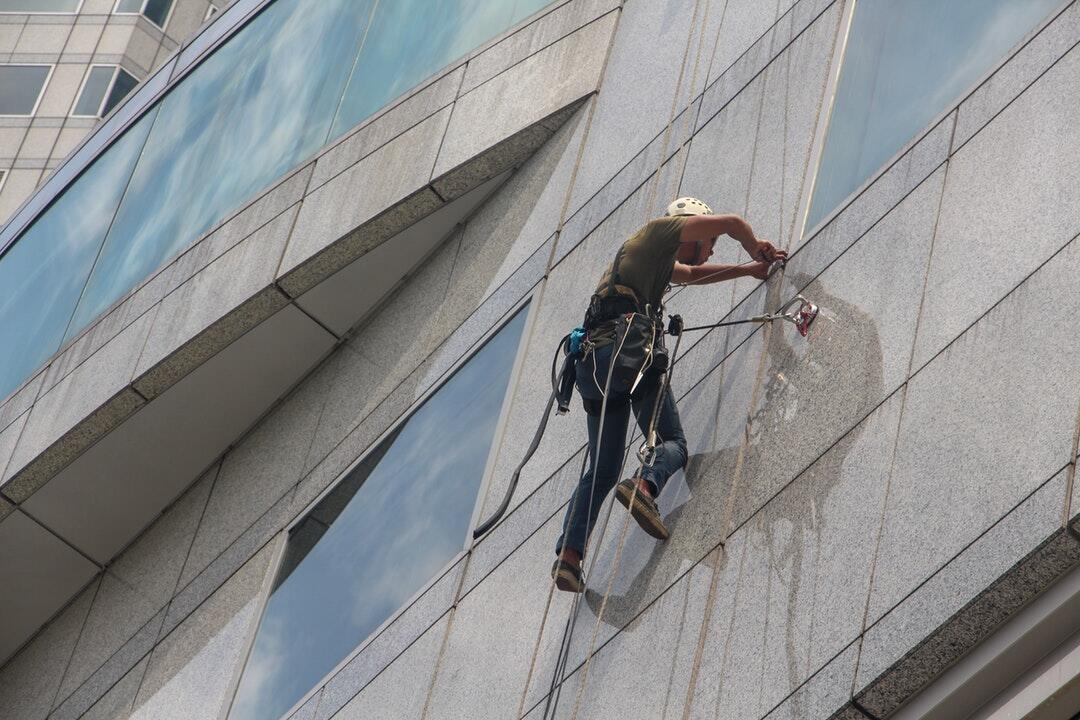
Is your safety gear up to standard? Discover the critical requirements for fall protection harnesses to stay secure at work.
Fall protection harnesses must meet OSHA and ANSI standards, support the proper weight, and be made from strong materials. They should fit comfortably, resist tangling, and allow quick adjustment. These features help reduce fall risks in demanding industries.
According to SkillSignal, falls cause about 36.4% of construction fatalities, the leading cause of death. Falls also leave workers with severe injuries and disrupt company operations.
Investing in compliant fall protection equipment helps safeguard lives and maintain business stability. Here's what you need to know about harness criteria and their safety importance.
A full-body harness should connect to a secure anchorage point rated for fall arrest. The harness needs to fit snugly to prevent slipping during a fall. Straps should stay firm around the body without cutting circulation.
Only use approved lanyards and connectors designed for the task. Following safety harness regulations ensures the system handles sudden forces safely.
Harnesses and lanyard webbing should be inspected before every use. During the inspection, check for:
If you notice any of these signs, remove the equipment from service right away. Damaged gear cannot provide reliable protection during a fall. Regular inspections also support workplace safety standards, helping keep both workers and operations secure.
Knowing the criteria for fall protection harnesses helps you select safe and reliable equipment. Meeting the right requirements ensures your gear protects you in emergencies. Investing in quality harnesses also saves companies from liability and compensation claims.
Buying from a trusted shop like Southeast Rigging Inc. adds more value. Our skilled team in Tampa, Orlando, and Jacksonville can guide you. We help you understand protective gear certification and choose harnesses that meet industry needs.
Harnesses should comply with OSHA and ANSI requirements before being placed into service. These rules cover important criteria for fall protection systems, including:
Labels on the harness should clearly state the compliance standards met. Always confirm the manufacturer's claim with certification from a trusted testing body.
Every harness has a weight capacity rating that should match the worker using it. Most harnesses support between 130 and 310 pounds, but variations exist. Using equipment outside the rated range increases the risk of severe injury.
Weight capacity also accounts for:
Following the correct ratings helps maintain safe energy distribution during falls. Employers need to ensure that the gear aligns with both the body weight and job requirements.
Harnesses should balance safety with worker comfort to encourage consistent use. Straps need to adjust to fit snugly without pinching or causing discomfort. Padding around the shoulders and legs helps reduce fatigue during long shifts.
A well-fitted harness allows free movement without slipping or restricting breathing. Comfort plays a direct role in efforts to protect workers from falls.
Fall protection harnesses should use webbing made from high-strength synthetic fibers. The material needs to resist:
Quality stitching ensures straps remain intact under extreme force. Materials should not lose strength when exposed to sunlight or moisture.
Durable construction supports longevity, reducing replacement costs and risks. Using strong materials also ensures compliance with fall arrest standards recognized across industries.
A tangle-free design makes donning and removing the harness quicker and safer. Straps should unfold easily, avoiding knots or twists that cause poor adjustment.
Tangle-free harnesses also reduce the errors that compromise safety. Clear labeling and intuitive buckles support correct use in stressful environments. Choosing such designs encourages consistent wearing and ensures reliable performance in critical situations.
Harnesses should allow quick adjustments to suit different body shapes and clothing layers. Buckles and sliders must operate smoothly without slipping during use. Easy adjustability helps workers achieve a snug, secure fit in less time.
Fast adjustments reduce mistakes, especially during emergencies or busy work conditions. Proper adjustment also aligns with safety harness regulations, keeping you secure at height.
Harness training should be refreshed at least once a year for all workers. Frequent practice builds confidence and ensures correct use during emergencies. Training updates also help cover new standards or equipment changes.
Sharing harnesses is not recommended because fit and adjustment vary by person. Poorly fitted gear can cause discomfort or increase injury risk during falls.
Each worker benefits from a properly sized harness that meets their needs. Employers should issue individual harnesses to reduce hazards and ensure full compliance with safety rules.
Store harnesses in clean, dry areas away from sunlight and chemicals. Avoid leaving equipment in vehicles or damp locations, as this can weaken the fibers. Hanging harnesses on designated hooks helps maintain shape and prevents tangles.
Many manufacturers now produce harnesses tailored for women and smaller body types. These designs enhance comfort and ensure that the straps fit correctly across the shoulders and hips. Proper fit reduces fatigue and improves safety performance during falls.
Confined spaces often require harnesses with front or side D-rings for easier retrieval. Specialized designs allow rescue teams to extract workers quickly and safely.
Standard dorsal-only harnesses may not provide sufficient access. Choosing harnesses made for confined space tasks helps improve safety and ensures faster rescue during emergencies.
Fall protection harnesses play a vital role in preventing accidents at height. Employers must choose quality gear and train workers to ensure safety on the job.
At Southeast Rigging, we bring over three decades of experience since 1989. We supply durable fall protection harnesses, anchors, and lanyards across Florida. Our team also provides professional training to help workers use equipment safely and correctly.
We operate full-service shops in Jacksonville, Tampa, and Orlando. Safety remains our priority in every industry we serve. Contact us today to equip your team with trusted fall protection solutions.

