Jacksonville, FL Office:
Orlando, FL Office:
Tampa, FL Office:

- Home
- Products
- Training & Services
- Manufacturers
- About Us
- Blog
- Contact Us
close
/ By Jason
Rigging failures often happen when crews ignore signs of wear and tear or fail to observe safety precautions. Using incompatible hardware and failing to balance loads may also cause failure. You can avoid costly downtime and serious injuries by understanding how rigging works.
According to the Occupational Safety and Health Administration, 5,283 fatal work injuries occurred in 2023. Some of these incidents are related to lifting operations
Many lifting incidents trace back to rigging errors, often referred to as rigging fails on job sites. One small mistake can shut down an entire project and put lives at risk. Understanding safety practices will help you protect your crews and avoid damage.
Rigging involves preparing, securing, and moving heavy loads using specialized lifting equipment. Some of the gear you may use with a crane or hoist includes:
Rigging allows you to connect your load to your lifting machine safely and in a controlled manner.
Every safe lift follows four basic rules. If you master these and apply them daily, you dramatically reduce the risk of rigging failures.
You should always verify the exact weight of your loads before lifting them. Guessing can lead to overload and increase the risk of failure.
It's crucial to inspect every part of your rigging equipment before use. Look for issues such as:
If you notice damage, replace the equipment for improved safety.
A galvanized thimble serves a different purpose than an alloy sling hook. A 4-leg chain sling distributes weight differently from a single-leg sling. Choosing the right hardware will avoid stress on components and help you create even lifting forces.
Many lifting-related industrial accidents happen because of poor communication. Using standard hand signals and radios will help you reduce confusion.
Lifting operations demand focus, precision, and dependable equipment. A minor oversight can quietly lead to serious problems long before anyone notices.
Pushing gear past its rated working load limit (WLL) can cause metal fatigue. You might get away with it once, but eventually, the metal will yield and fail without warning.
Always refer to the manufacturer's load charts. Besides, use hardware with a slightly higher capacity than your load to provide a safety buffer.
Ignoring damage on slings is one of the most common rigging mistakes. Flaws you may consider minor at first may become breaking points under heavy stress. When a sling snaps, the load drops instantly, and it can cause significant injuries
Southeast Rigging Inc. offers premium carbon-alloy-stainless slings that resist damage for an extended period. You won't worry about the cost of constantly replacing rigging gear.
Crews often install rigging wire rope clips backward, reducing the connection's strength. If the U bolt is on the live side of a rope, it might crush the wires and cause a break.
Ensure the saddle of the clip always goes on the dead end of the rope. Moreover, use high-quality forged wire rope clips from Southeast Rigging Inc. to prevent the metal from deforming under pressure.
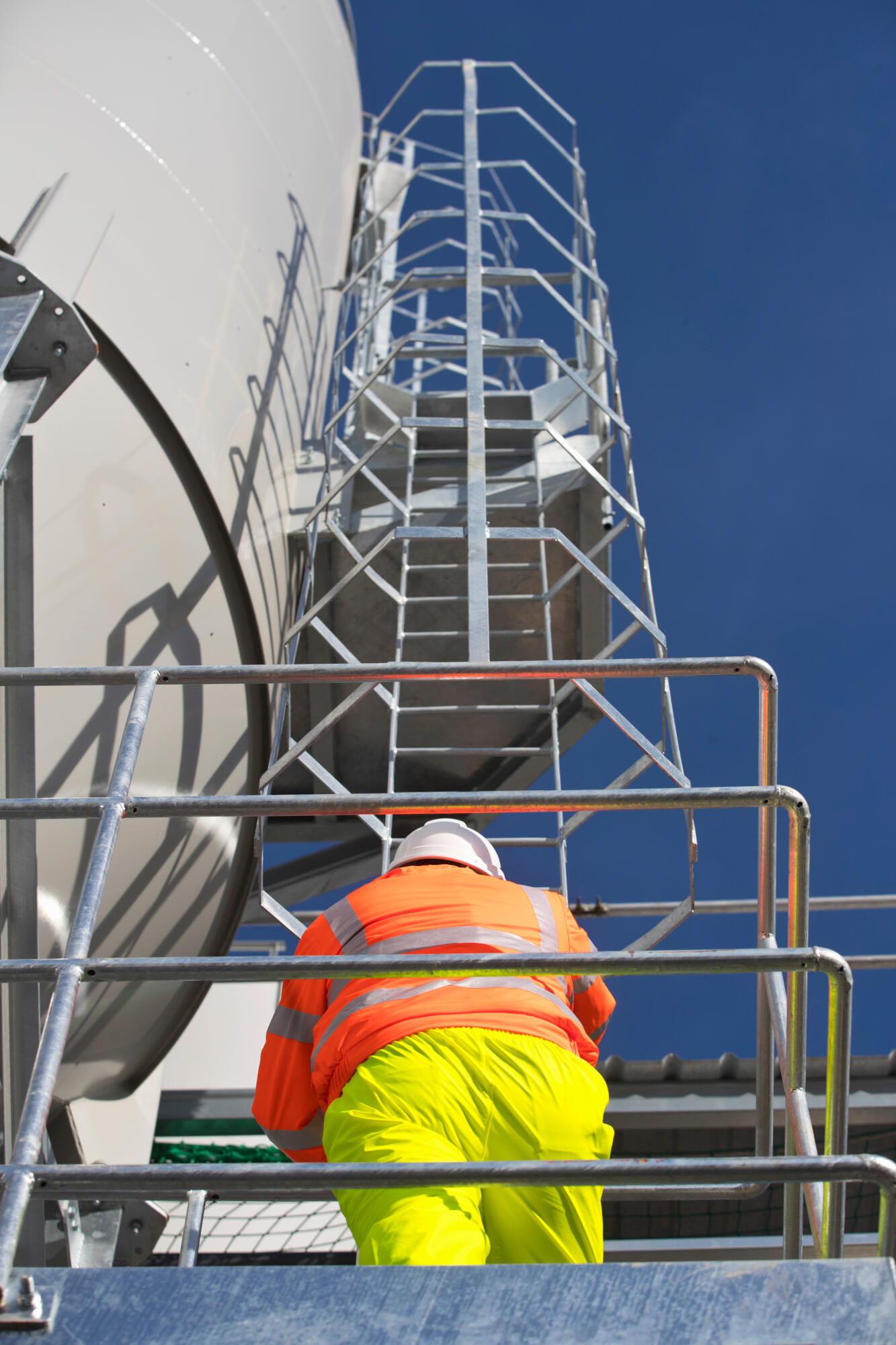
When working at high heights, you must protect your crew. Failure to use fall protection harnesses and anchors often leads to deadly falls.
Install rated fall protection anchors before lift operations begin. You should also train your crews on anchor placement and tie-off procedures. Conducting regular compliance audits helps you ensure workers are following safety best practices.
Sometimes workers grab whatever is in the toolbox, especially when in a hurry. They may mix galvanized parts with stainless steel or use an adjustable chain sling with a hook that doesn't fit correctly.
Incompatible parts then cause uneven pressure points, leading to point loading.
Source all your hardware from a recognized supplier, such as Southeast Rigging Inc. We ensure our carbon screw pin chain shackles and hooks work seamlessly together. Using a matched set of rigging hardware will help you prevent weird angles and mechanical stress.
Technology evolves, and equipment standards change. If you don't offer ongoing rigging safety training, your crew may rely on outdated methods. Invest in regular training and conduct mock lift simulations. You should also review safety practices quarterly and encourage your teams to report hazards.
Southeast Rigging Inc. offers rigging training programs to help your team stay confident and prepared for real-world lifting challenges.
It depends on your usage and inspection results. High-use gear in coastal areas like southeast Florida wears out faster than equipment stored indoors.
You should inspect hardware before each shift and conduct formal, documented inspections regularly. Keep detailed logs to track wear patterns and plan replacements before failure risks increase.
Yes. Smaller crane companies often handle lighter loads, but safety standards are the same. The gear you use should match your load requirements. Choosing rated gear ensures consistent performance regardless of your company's size.
No. You should never use standard hardware-store bolts for lifting, as they aren't ideal for dynamic loads.
Choose specific rigging hardware with parts designed to handle heavy tension without snapping. Always buy your components from a specialized supplier like Southeast Rigging Inc. to ensure they meet the required safety ratings for your specific field.
Preventable rigging incidents, often called rigging fails, can disrupt your entire operation. Focus on proactive inspections and invest in quality hardware. Reduce risks across your entire operation by training your crews on the best practices.
Southeast Rigging Inc. offers lifting equipment built for strength and durability. We're the leading rigging shop across Tampa, Jacksonville, and Orlando.
Our equipment meets strict industry standards, including those of the National Association of Chain Manufacturers (NACM) and the American Society of Mechanical Engineers (ASME). Contact us for top-quality rigging gear and safety training.

