Jacksonville, FL Office:
Orlando, FL Office:
Tampa, FL Office:

- Home
- Products
- Training & Services
- Manufacturers
- About Us
- Blog
- Contact Us
close
/ By Jason
Choosing the right lifting solutions is critical for maintaining safety and efficiency on construction sites. With the US Bureau of Labor Statistics once again revealing another year of rising construction accidents, this point cannot be overstated. If you need reliable, high-performance lifting equipment, web slings and assemblies provide durable and flexible options.
These tools offer superior strength and versatility, helping you manage heavy loads safely. Understanding the different types and configurations ensures you select the best fit for your project.
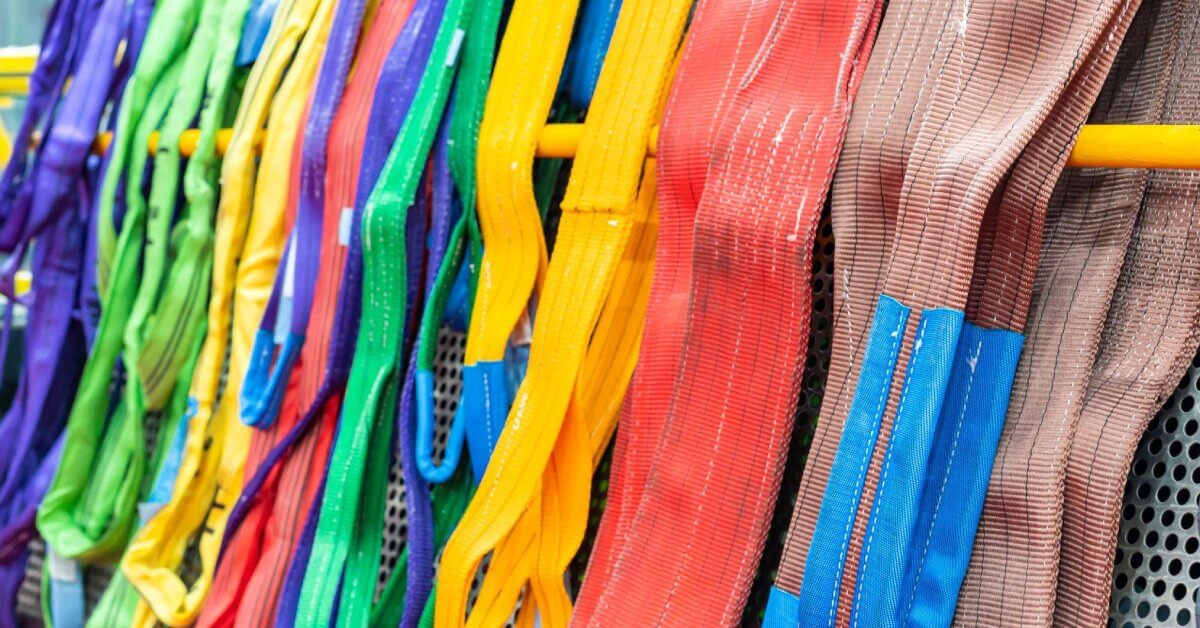
Web slings play an essential role in material handling and load control. They distribute weight evenly, preventing damage to delicate or high-value materials. Unlike chains or wire ropes, they are lightweight, easy to maneuver, and offer a softer grip on loads.
Choosing the right web sling improves lifting precision and enhances workplace safety. Many construction projects rely on these slings for lifting large equipment, heavy materials, and oversized structures.
Selecting the right rigging equipment starts with understanding your load requirements. The weight, shape, and fragility of materials determine the type of web sling needed.
Polyester and nylon slings are common choices due to their flexibility and high load capacities. Some slings feature reinforced edges to withstand abrasion, while others include loops or hooks for secure attachment.
Matching the sling material to your lifting needs prevents failures and extends equipment lifespan. Consulting with rigging professionals ensures that your choice meets industry standards and enhances safety on the job site.
For construction managers handling oversized or high-capacity loads, heavy-lifting web slings provide several advantages:
Using the right web slings improves efficiency and reduces wear on lifting equipment. These slings also minimize stress on rigging systems, extending their lifespan and reducing long-term costs.
Strong and reliable lifting systems require durable rigging assemblies to support heavy-duty applications. These assemblies include hooks, shackles, and connections designed to secure web slings in place.
The right combination of components ensures stability, preventing unwanted movement during lifts. Properly assembled rigging enhances safety and ensures smooth operations.
Construction managers should work with trusted suppliers to source high-quality assemblies that withstand demanding job site conditions.
Industrial lifting slings come in multiple configurations, each designed for specific tasks. Flat web slings offer versatility and broad load distribution, while round slings provide extra strength for heavier loads.
Adjustable-length slings allow for precision handling in complex lifting environments. Endless loop slings provide flexibility for multi-angle lifts, while choker slings create a firm grip on irregularly shaped loads. Choosing the right sling type helps maximize load control and operational safety.
Following rigging safety protocols minimizes the risk of accidents and equipment failures. Every sling should undergo regular inspections to check for wear, cuts, or frayed fibers.
Proper storage also prevents damage from exposure to extreme weather conditions. Regular safety checks extend equipment lifespan and ensure compliance with industry regulations.
Regular maintenance keeps web slings in peak condition. Cleaning slings after each use prevents material degradation, while keeping them away from sharp edges reduces damage risks.
Routine inspections identify signs of wear before they lead to failures. Well-maintained slings improve performance and reduce the risk of costly accidents. Additionally, keeping records of inspections and load tests helps track sling durability and compliance.
To maximize efficiency and safety, follow these best practices:
Implementing safe lifting techniques protects workers and extends equipment life. Proper load distribution, avoiding sudden jerks, and ensuring balanced lifting further improve workplace safety.
Even experienced construction managers can make mistakes when using web slings. Avoiding these common errors can prevent accidents and equipment damage:
Taking a proactive approach to sling usage prevents workplace hazards and costly equipment failures. Ensuring proper handling techniques and routine inspections significantly reduces risks.
Advancements in lifting technology are making web slings even safer and more efficient. New materials are being developed to enhance durability, with improved resistance to heat, moisture, and chemicals.
Smart tracking systems are also emerging, allowing construction managers to monitor sling usage, detect wear, and receive real-time safety alerts. Investing in modern web slings ensures better performance, fewer failures, and longer service life.
As the industry evolves, staying informed about these innovations can help construction managers improve efficiency and safety on the job site.
Not all lifting equipment is created equal. Working with a reputable supplier ensures access to high-quality web slings and assemblies that meet safety standards. Look for suppliers that provide certified products, expert guidance, and comprehensive inspection services.
Partnering with a trusted provider helps construction managers secure the safest and most durable lifting solutions. Southeast Rigging offers industry-leading slings and rigging equipment, ensuring compliance with all safety regulations.
Selecting the best web slings and assemblies ensures your construction site remains safe and efficient. Choosing the right rigging equipment, maintaining safety protocols, and using high-quality materials prevent accidents and maximize performance.
Southeast Rigging provides top-tier lifting solutions designed to meet industry standards. Contact our team today to explore our range of web slings and find the perfect fit for your next project.
We are industry leaders in safety, and we are more than happy to also perform inspections of your equipment to ensure it always meets the highest standards. You can also swing by one of our locations in Jacksonville, Tampa, and Orlando to meet the team in person.

